Health
Type 1 Diabetes
Type 1 Diabetes (T1D) is an autoimmune condition where the immune system attacks and destroys the insulin-producing beta cells in the pancreas. Without insulin, the body can't regulate blood sugar, so you have to manage it manually, every day, for the rest of your life.
I was diagnosed in 2024. It's been a battle, but I'm learning to manage it with more confidence. It takes real effort, but it's worth it. Understanding the science of the diagnosis helped me manage it more than slogans ever did.
If you're going through this and struggling, I'm here to chat. It gets better with time. This page is educational, not medical advice.
See it inside a cell
The Cell Lab: insulin and glucose →
An interactive, side-by-side animation of insulin signaling, GLUT4 transporters, and glucose entry. Pause, step through, and restore the insulin signal to see what changes.
How the Science Works
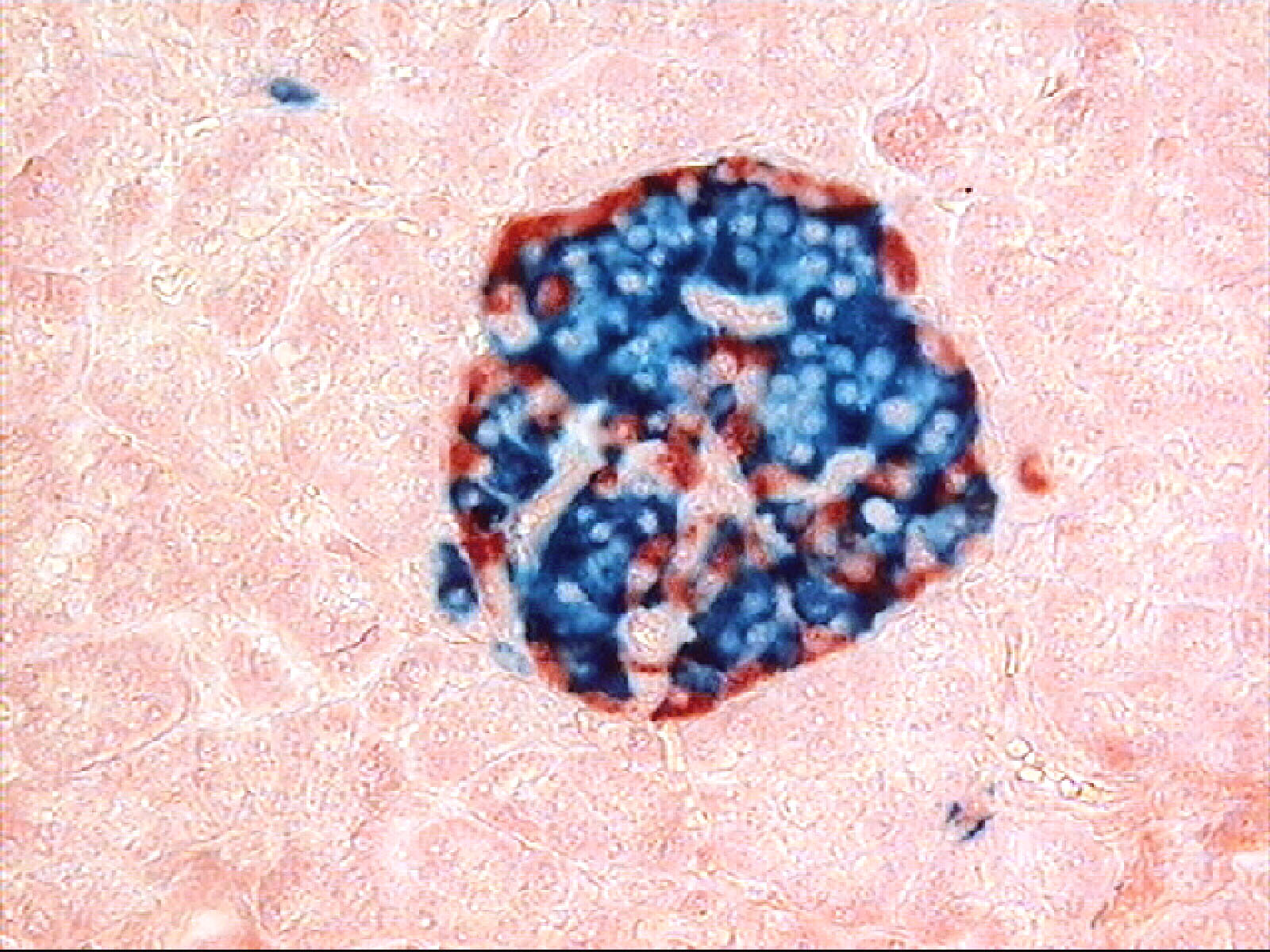
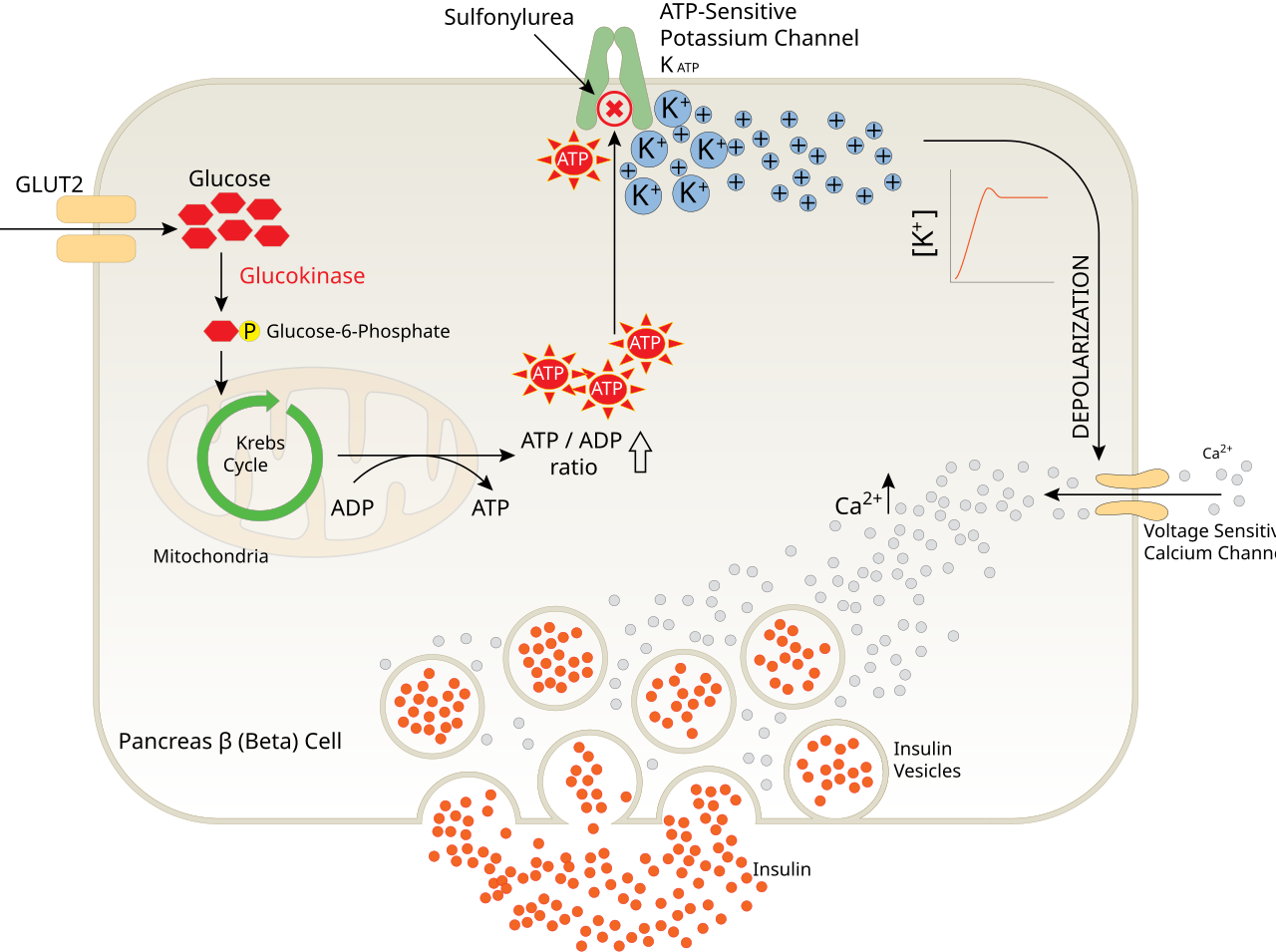
Inside the pancreas are clusters of cells called the islets of Langerhans. Inside those islets sit beta cells. Beta cells make insulin.
In type 1, the immune system targets those beta cells by mistake (autoimmunity). As beta cells die off, insulin production falls. Insulin is the key that lets most cells pull sugar out of the blood. Without enough of it, glucose stays high in circulation.
Sugar enters muscle and fat cells through transporters called GLUT4. Insulin tells those cells to move GLUT4 to the surface so sugar can walk through. That is the same door I talk about under exercise below.
When a beta cell makes insulin, it also releases C-peptide (a piece cut off during insulin assembly). A C-peptide blood test is a window into how much insulin your own pancreas is still making. In my case, C-peptide helped confirm the immune system was attacking beta cells, so this is type 1, not some in-between type 1 / type 2 story.
Early after diagnosis, some people still have leftover beta-cell function. That stretch is often called the honeymoon. It can last months to a couple of years. It is residual production, not a cure, and it fades.
Diagnosis Tools (Plain Language)
These are the tools clinicians use to figure out what is going on. I am describing what they measure, not telling anyone how to treat anything:
- A1C: average blood sugar over roughly the last 2 to 3 months
- Glucose: blood sugar right now (fasting, random, or during a glucose challenge)
- Autoantibodies: immune markers that show the body is targeting islet / beta-cell proteins
- C-peptide: how much insulin your own pancreas is still producing
Type 1 vs Type 2
They share a name but are very different conditions:
- Type 1: Autoimmune; the body destroys its own insulin-producing cells. Not preventable. Requires insulin injections or a pump.
- Type 2: Metabolic; the body becomes resistant to insulin. Often linked to lifestyle. Can sometimes be managed with diet and oral medications.
Daily Management
Living with T1D means constantly thinking about blood sugar:
- Continuous Glucose Monitor (CGM): A sensor that tracks blood sugar 24/7 and sends data to my phone
- Insulin: Multiple daily injections or an insulin pump to cover meals and maintain baseline levels
- Carb Counting: Calculating carbohydrates in every meal to dose insulin correctly
- Corrections: Adjusting for highs and lows throughout the day
- Exercise: Physical activity drops blood sugar (muscles pull sugar in without needing as much insulin), so I plan around it
How Exercise Lowers Blood Sugar
Sugar floats in the bloodstream. Blood sugar only drops when cells pull it in.
Insulin is the key. Injected insulin travels in the blood, binds receptors on muscle (and other) cells, and those cells move GLUT4 transporters to the surface. GLUT4 is the tunnel sugar walks through.
Exercise opens the same GLUT4 tunnels without the insulin key. Contracting muscle uses a separate pathway. Same door, different signal. That is why hard workouts drop my blood sugar even when injected insulin is low, and why I often need less insulin when I am active.
Exercise does not make the pancreas or islet beta cells produce more insulin. The sugar is just getting absorbed into the muscles. Beta cells are the specific cells inside the pancreas that make insulin. They sit in clusters called islets.
I am pretty sensitive to exercise and blood sugar. That is usually a good sign (muscle mass, fitness, efficient glucose uptake), not something concerning.
Honeymoon
I am 29 now. C-peptide confirmed my immune system is attacking the beta cells, so this is type 1, not some in-between type 1/type 2. Day to day it can feel mixed because exercise and residual insulin change how much injected insulin I need.
Some leftover beta-cell insulin production can last months to a couple of years after diagnosis. That is probably why I can sometimes go a day or two without long-acting insulin when I am working out a lot and still sit at normal numbers. It is temporary.
Creatine
I feel like I need less insulin when I take creatine. The mechanism that came up: creatine can help muscles take up glucose by boosting GLUT4 and insulin sensitivity. Stronger evidence in type 2 plus exercise, thinner in type 1, but the same pathway can apply. I watch my numbers when I start or change the dose.
Notes from a Grok conversation.
The Mental Game
Managing T1D is as much mental as it is physical. There's "diabetes burnout," the exhaustion of never getting a break from the constant decisions. Some days are smooth; others feel like a rollercoaster despite doing everything right.
What helps: routine, good sleep, not beating yourself up over imperfect numbers, and remembering that management is a skill that improves over time.
Why I Built an App
After my diagnosis, I built Type 1 Diabetes Guide. It is my most downloaded app (400+ downloads). I wanted a resource that explains everything I wish I knew at the start: what T1D is, how to manage it, and practical tips for daily life.
Download Type 1 Diabetes Guide on the App Store
Resources
- Breakthrough T1D (formerly JDRF): leading T1D research and advocacy organization
- American Diabetes Association
- diaTribe: news and resources for people with diabetes
- NIDDK: Type 1 Diabetes: clear science on beta cells, autoantibodies, and C-peptide
- ADA Standards of Care: professional clinical standards hub
- Breakthrough T1D Research
- ADA / Diabetes journal: Human Islet Research Network perspective on beta-cell autoimmunity and islet research